A High-Altitude Journey with Real Demands
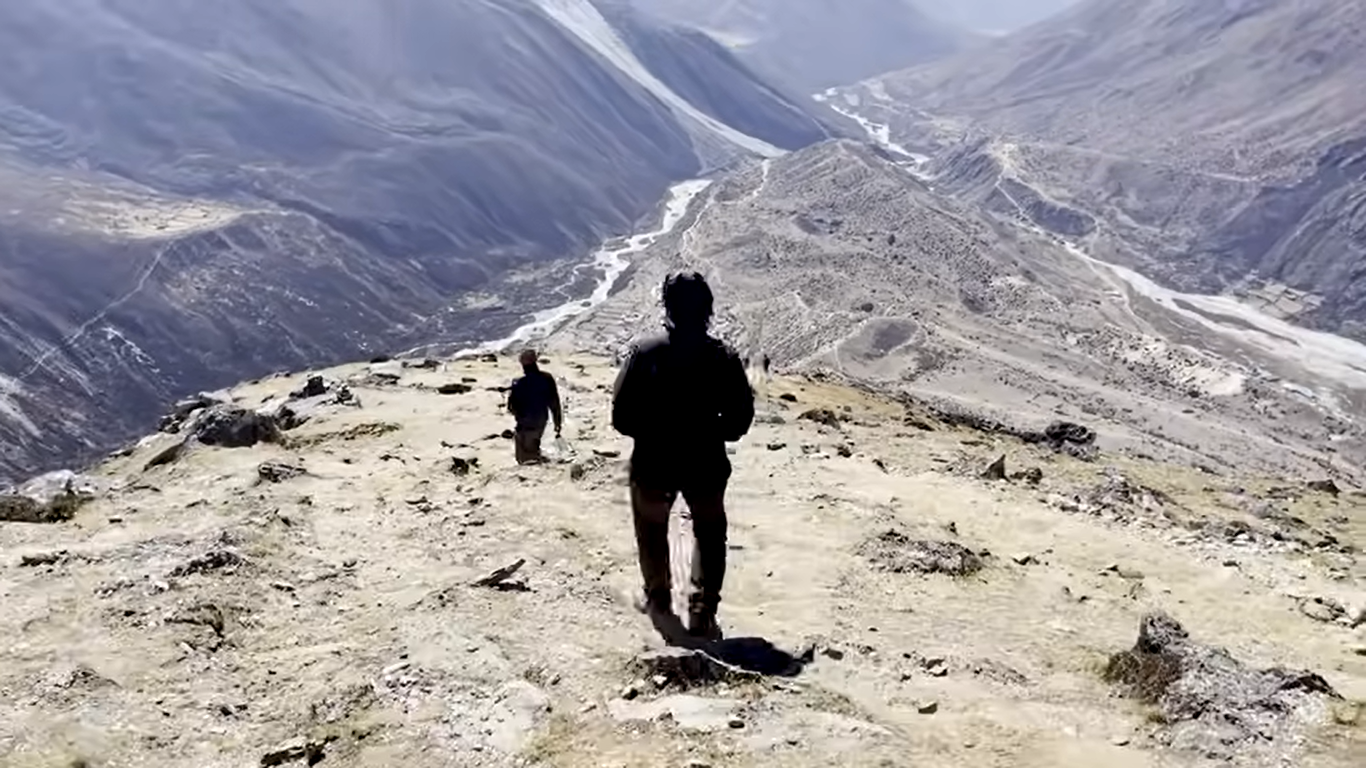
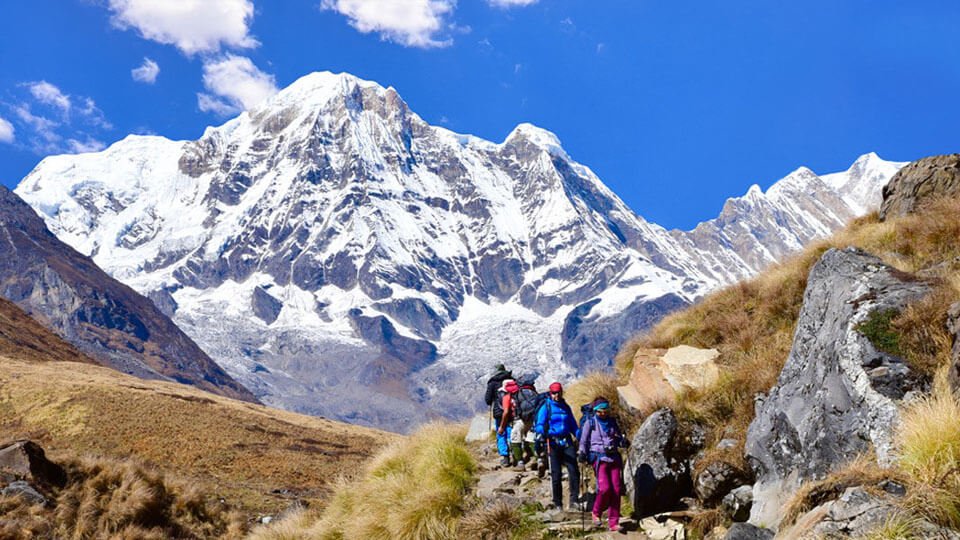
The Everest Base Camp trek draws thousands each year. The route leads through deep valleys, suspension bridges, and alpine terrain up to 5,364 meters.
This trek tests endurance, planning, and decision-making. You need the right pace, the right support, and a clear understanding of the risks.
Route Overview
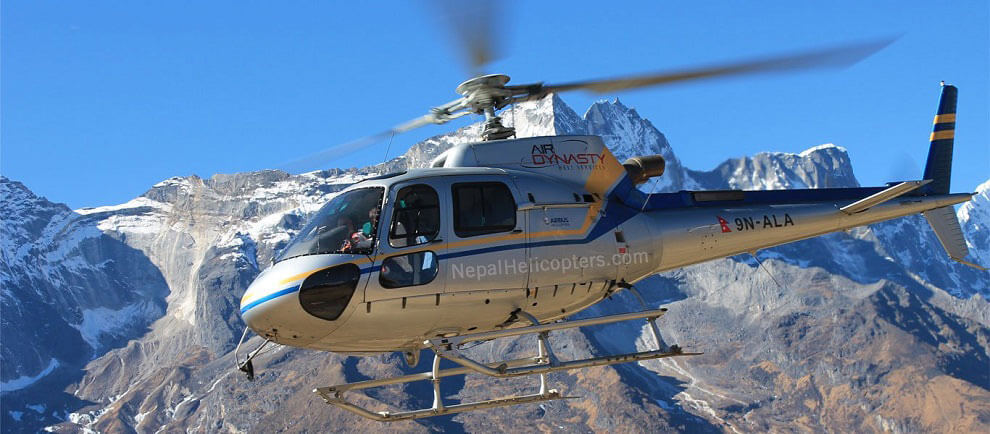
Most trekkers start with a flight from Kathmandu to Lukla Airport.
From Lukla, the route follows:
- Phakding
- Namche Bazaar
- Tengboche Monastery
- Dingboche
- Lobuche
- Gorak Shep
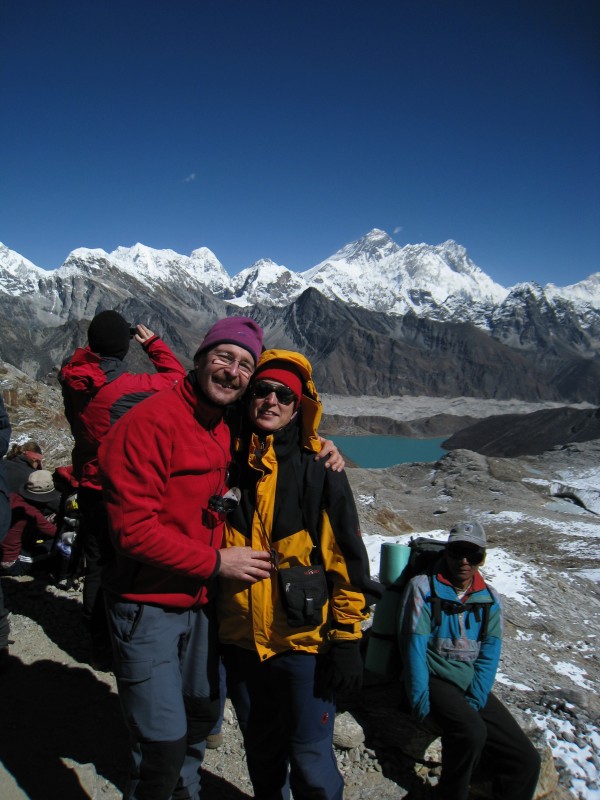
Final stops include Everest Base Camp and Kala Patthar for sunrise views of Mount Everest.
Duration and Distance
- Duration: 12 to 14 days
- Distance: about 130 km round trip
- Daily walking time: 5 to 7 hours
Rest days in Namche and Dingboche reduce altitude risk.
Altitude and Acclimatization
Altitude is the main challenge.
Above 3,000 meters, oxygen levels drop fast. Poor planning leads to Acute Mountain Sickness.
Key rules:
- Gain no more than 500 meters per day after 3,000 m
- Take rest days
- Stay hydrated
- Report symptoms early
Ignoring symptoms puts your life at risk.
Best Time to Trek
Two seasons offer the best conditions:
- Spring: March to May
- Autumn: September to November
Clear skies, stable weather, and strong visibility define these months.
Winter brings extreme cold. Monsoon brings poor visibility and flight delays.
Cost Breakdown
Costs vary based on service level.
Typical range:
- Budget: 900 to 1,200 USD
- Standard: 1,200 to 2,000 USD
- Premium: 2,500 USD and above
Costs include:
- Permits
- Guide and porter
- Accommodation
- Meals
- Flights to Lukla
Low-cost deals often exclude key services.
Accommodation and Food
Tea houses line the route.
Expect:
- Basic twin rooms
- Shared bathrooms
- Limited heating
Food options include:
- Dal bhat
- Noodles
- Soups
- Eggs and bread
Higher altitude means higher prices due to transport costs.
Physical Preparation
You need endurance, not technical climbing skills.
Prepare with:
- Long-distance hiking
- Stair climbing
- Cardio training
- Strength work for legs
Train at least 6 to 8 weeks before the trek.
Why a Professional Agency Matters
A strong agency manages risk and logistics.
You get:
- Licensed guides
- Structured acclimatization plan
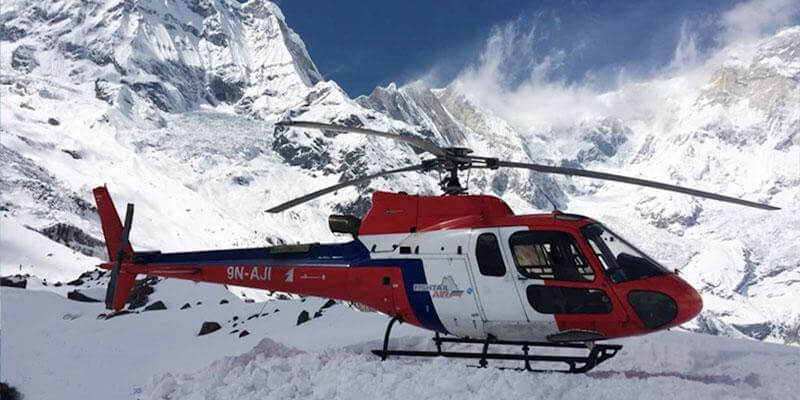
- Emergency response support
- Permit handling
- Reliable bookings
This support reduces mistakes and improves safety.
Final Thought
The Everest Base Camp trek demands effort and discipline. The reward is direct access to the world’s highest peak and the culture of the Khumbu region.
Plan well. Respect altitude. Choose the right support.
Your outcome depends on these decisions.
About the Verified Partner

Nepal Himalayas Trekking Pvt Ltd
Specialized agency offering authentic Himalayan experiences. High trust rating on TripMarket Platform.